Spiral Seashell Embroidery Design Review
As a designer who has spent years navigating the fine line between digital promise and stitched reality, I approach every new machine embroidery design with a mix of excitement and skepticism. The market is flooded with generic assets, so finding a piece that truly translates well from screen to fabric is a specific skill in itself. Today, I am evaluating the Spiral Seashell Embroidery file to see if it holds up under the scrutiny of real-world application. This isn't just about whether the lines look pretty on a monitor; it is about how this embroidery file behaves when you load it into your machine, hoop it on a textured tote bag, or stitch it onto a delicate baby blanket.
First Impressions: Mood and Visual Personality
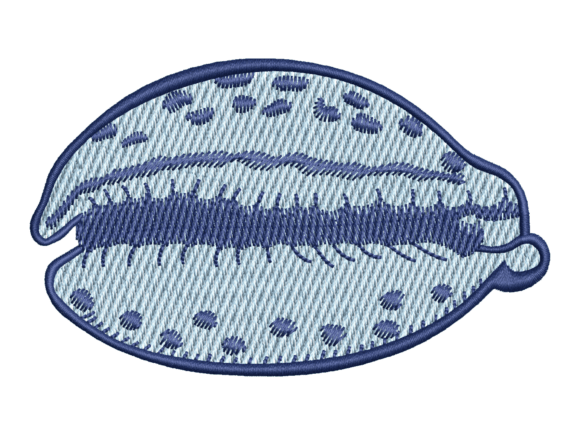
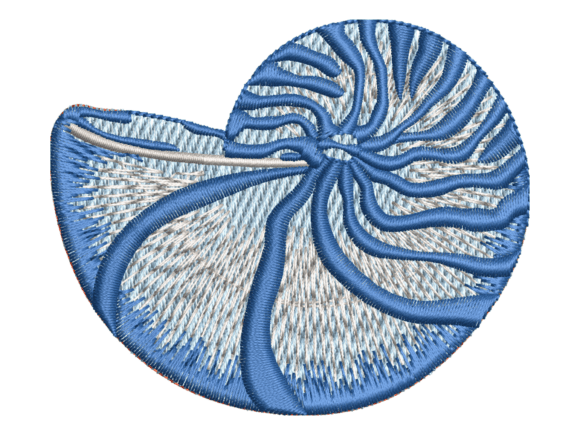
When I first opened the preview for the Spiral Seashell Embroidery, the immediate reaction was one of organic elegance. Unlike many sea-themed designs that rely on chaotic clusters of waves and fish, this piece focuses on the singular, hypnotic geometry of a spiral shell. It carries a calm, coastal mood that feels versatile rather than seasonal. While it fits comfortably within the broader Fish and ocean category, its clean lines suggest it could easily transition into bohemian home decor or minimalist fashion branding.
The layout appears balanced, avoiding the common pitfall of overcrowding small details that often get lost during stitching. The visual personality is soft yet structured. For an Etsy seller or a boutique owner looking to elevate their brand, this design offers a sophisticated alternative to the typical cartoonish marine life. It suggests quality without shouting for attention, making it an excellent candidate for high-end handmade product lines where subtlety sells.
Testing the Waters: Real-World Project Scenarios
To truly understand the value of this digital embroidery file, I need to visualize it in action. Imagine preparing a custom embroidered tote bag for a beachside craft fair. The canvas texture of a natural cotton tote can sometimes swallow intricate details, but the bold curve of the Spiral Seashell Embroidery seems robust enough to stand out. If I were using this for custom apparel, specifically a heavy-weight sweatshirt, the contrast of the shell against a heather grey or navy background would likely create a striking focal point near the chest pocket or cuff.
Consider also the potential for personalized gift items. A nursery set featuring this design on pillow covers or tea towels would appeal to parents seeking a gender-neutral, nature-inspired aesthetic. The spiral motif is timeless, ensuring the item doesn't feel dated next year. For those running a craft business, the ability to use this asset across different mediums—from embroidered patch production to direct stitching on holiday embroidery projects—adds significant versatility to your inventory. It is not just a single-use graphic; it is a flexible design asset that can anchor a whole collection.
Navigating Technical Challenges and Fabric Choices
However, no design is perfect for every situation, and professional judgment requires knowing where to exercise caution. The Spiral Seashell Embroidery features curved lines that demand careful handling regarding stitch density. On thin or stretchy fabrics like jersey knit, the tension required to maintain the spiral's shape could cause puckering if the wrong stabilizer is used. I strongly advise testing this on scrap fabric first to ensure the fill stitch and satin stitch combinations do not distort the underlying material.
Another critical consideration is the hoop size. While the design looks compact, the curvature might require a slightly larger hoop than anticipated to prevent the needle from hitting the frame at awkward angles, especially on curved surfaces like caps or hats. If you are planning to use this for baby embroidery on very fine muslin, inspect the small details closely. Tiny gaps in the spiral might reveal the backing if the thread colors are too similar to the fabric. Always check thread color contrast before committing to a full run.
Furthermore, be mindful of dense stitch areas. If the design includes tight spirals, excessive running stitch or fill in those corners can lead to thread breakage or jamming. For products that need frequent washing, such as kitchen towels or aprons, verify that the stitch density allows water to pass through without trapping moisture, which could degrade the fabric over time. Dark fabrics will also require a cutwork or top-stitching strategy to make the shell pop, adding complexity to the project.
Strategic Advice for Commercial Success
For the small shop product creator or the independent apparel decorator, the success of this project hinges on presentation. Before listing items made with Spiral Seashell Embroidery, create a printable mockup to show potential buyers how the design sits on the finished product. Show it in black and white first to judge the tonal balance, then compare light and dark fabric backgrounds to demonstrate versatility.
Remember that this is a digital product delivered in ZIP or RAR format. There is no physical item shipped, and there are no returns or refunds once downloaded. This means the burden of due diligence is entirely on you. Check the licensing terms carefully before selling finished items or reselling the commercial embroidery files themselves. Ensure you have the right to use this design for your specific business model, whether it is for one-off personalized gifts or mass-produced merchandise.
Ultimately, the Spiral Seashell Embroidery offers a strong foundation for creative entrepreneurs who want to add a touch of nature-inspired sophistication to their work. It avoids the trap of being overly trendy, focusing instead on classic forms that resonate with customers. By respecting the technical requirements of machine embroidery—from stabilizer selection to thread choice—you can transform this digital file into a tangible, high-quality finished product that builds customer trust and enhances your brand's reputation.
Final Designer Notes
- Test First: Always run a test on scrap fabric to check for puckering and thread breaks.
- Stabilize Properly: Use a tear-away or cut-away stabilizer depending on the fabric weight.
- Color Strategy: Choose thread colors that provide sufficient contrast against the base fabric.
- Licensing Check: Confirm commercial usage rights before selling any goods made with this file.
- Mockups Matter: Use realistic photos to showcase the design on actual products like totes or shirts.