Owl Line Art Embroidery Design Review
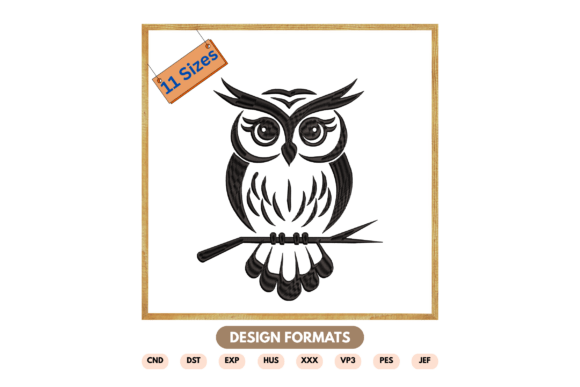
As a professional embroidery designer who has spent years translating digital files into tangible brand assets, I approach every new machine embroidery design with a critical eye. The market is flooded with generic patterns, but for small business owners and apparel decorators, the difference between a hobbyist project and a premium product often lies in the choice of the embroidery file. Today, I am reviewing the Owl Line Art Embroidery Design, a minimalist sketch-style piece featuring an owl perched on a branch. This review focuses strictly on its viability for commercial use, branded merchandise, and professional branding applications.
First Impressions: Modern Elegance Meets Brand Identity
When I first loaded the Owl Line Art Embroidery Design into my digitizing software, the aesthetic was immediately clear. It is not a dense, traditional folk art bird; rather, it is a sleek, modern interpretation of nature. The line art style gives it an artistic, almost hand-drawn quality that translates surprisingly well into thread. For a boutique café, a creative studio, or a handmade jewelry brand, this design exudes sophistication without being overly ornate. It feels friendly yet professional, making it an excellent candidate for building a distinct brand identity.
The minimalist approach is its strongest asset. In the world of small business merch, less is often more. A cluttered logo can get lost on a busy fabric texture, but the clean lines of this owl design stand out with clarity. It suggests a brand that values craftsmanship and detail, which directly influences customer trust and perceived product value. Whether you are creating custom apparel for your staff or unique gifts for loyal customers, this design carries a visual weight that commands attention.
Strategic Applications for Small Business Merchandise
The versatility of the Owl Line Art Embroidery Design makes it a powerhouse for various commercial projects. Here is how I see this specific Birds category design performing in real-world scenarios:
- Staff Uniforms and Aprons: For a bakery, florist, or boutique, apron embroidery is a subtle way to build team cohesion. Placing this owl on the chest pocket or the upper back of a chef's apron adds a touch of personality without overwhelming the uniform. The line art ensures it remains legible even from a distance.
- Cap Embroidery: Hats are prime real estate for branding. Because the design is relatively compact, it works beautifully as a front-of-cap logo. The simplicity prevents the stitching from puckering the curved surface of a baseball cap, ensuring a smooth, professional finish.
- Tote Bag Design: Reusable bags are walking billboards. An embroidered patch version of this owl, or direct machine stitching onto canvas, elevates a simple tote bag into a premium accessory. The contrast of the thread against natural cotton creates a rustic-chic vibe perfect for eco-conscious brands.
- Product Packaging Accents: Consider using this design as a label on garment tags or as a stitched detail on leather goods. It serves as a signature mark of authenticity, signaling to the buyer that they have purchased a high-quality, handmade product.
- Event Merch and Gifts: For local business events or holiday promotions, this design offers a unique alternative to printed t-shirts. Customers appreciate the tactile feel of embroidery, which increases the likelihood they will wear or display the item proudly.
Critical Considerations for Production Success
While the Owl Line Art Embroidery Design is visually striking, successful execution requires careful planning. As a designer, I must advise caution in specific areas to ensure the finished product meets professional standards.
Size and Detail Limitations
Line art relies on precision. If you attempt to shrink this design too much for a tiny sleeve patch or a small button, the delicate lines may merge or become indistinguishable. Always test the hoop size requirements before committing to a run. If the design is too small, the stitch definition suffers, leading to a muddy appearance. Conversely, if scaled up too large without adding fill stitches, the negative space might look unfinished depending on the fabric background.
Fabric Texture and Stabilization
The success of any Embroidery project depends heavily on the substrate. On textured fabrics like denim, heavy canvas, or fleece, the fine lines of the owl might get lost within the weave. In these cases, a high-quality stabilizer is non-negotiable. You must use a tear-away or cut-away stabilizer that provides enough support to keep the needle placement precise. Without proper stabilization, the fabric can pucker, distorting the elegant lines of the branch and the owl.
Thread Color Contrast
To maximize visibility, especially on dark uniforms or black tote bags, you need to carefully select your thread colors. A white or cream thread against a navy blue background will make the Owl Line Art Embroidery Design pop. However, avoid low-contrast combinations like grey thread on black fabric, as the minimalist style requires sharp definition to be effective. Always create a printable mockup or a physical swatch to verify color contrast before mass production.
Impact on Brand Perception and Value
Incorporating the Owl Line Art Embroidery Design into your product line does more than just add decoration; it enhances your entire brand narrative. In a crowded marketplace, visual consistency is key. Using this specific design across caps, bags, and labels creates a cohesive look that customers instantly recognize. This consistency builds familiarity and trust.
Furthermore, embroidery inherently signals quality. Unlike screen printing, which can crack or fade, high-quality commercial embroidery lasts for years. By choosing this design, you are telling your customers that your brand is built to last. It elevates the perceived value of your items, allowing you to command higher price points. For Etsy sellers and craft business owners, this distinction between "printed" and "embroidered" is often the deciding factor for a purchase.
Practical Designer Notes for Implementation
Before you integrate the Owl Line Art Embroidery Design into your workflow, follow these practical steps to ensure a flawless result:
- Test in Black and White: Before selecting your final palette, run a test stitch in black thread. This allows you to inspect the spacing, flow, and structural integrity of the lines without the distraction of color.
- Verify Stitch Density: Check the stitch density settings. Line art designs can sometimes suffer from excessive stitching if not digitized correctly, leading to stiff patches. Ensure the density is balanced for the fabric you intend to use.
- Confirm Licensing: As a business owner, always confirm the commercial licensing terms of your digital embroidery file. Ensure you have the right to use this design on products for sale, whether on your own website, at craft fairs, or through third-party platforms.
- Create Client Mockups: If you are offering this as a service, create realistic design assets showing the owl on actual garments. Clients need to visualize the scale and placement before approving the order.
- Compare with Other Assets: Place the owl design next to your existing logos or other design assets to ensure stylistic harmony. It should complement your brand, not clash with it.
The Owl Line Art Embroidery Design is a sophisticated tool for the modern entrepreneur. When executed with attention to detail, proper stabilization, and strategic placement, it transforms ordinary merchandise into memorable brand experiences. Whether you are decorating a single custom hat or producing a full line of branded apparel, this design offers the elegance and professionalism required to stand out in today's competitive market.