Multicolor Flower Embroidery Design Review
As a designer who has spent years navigating the delicate balance between digital files and physical thread, I approach every new machine embroidery design with a critical eye. The market is flooded with generic patterns, but finding a piece that truly translates well from screen to fabric requires experience. Today, I am evaluating the Multicolor Flower Embroidery Design, a vibrant bloom stitched in a beautiful mix of colors. My goal isn't just to describe it, but to determine if this embroidery file holds up under the pressure of real-world production for your craft business or personal projects.
First Impressions: Mood and Visual Personality
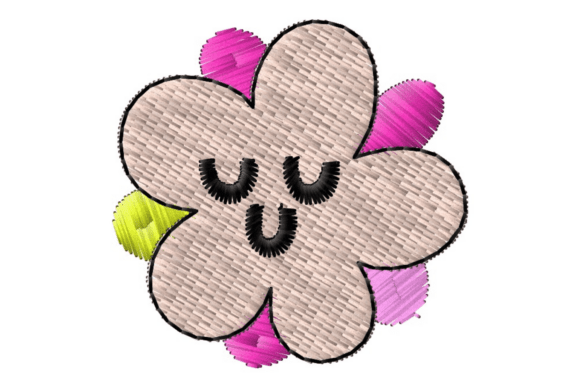
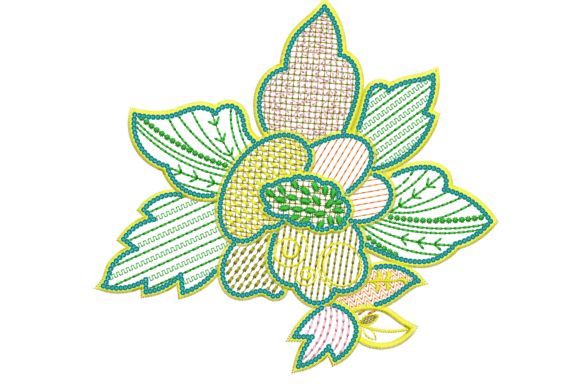
When I first loaded the Multicolor Flower Embroidery Design into my digitizing software, the immediate impression was one of cheerful energy. This is not a subtle, monochromatic botanical sketch; it is a statement piece. The layout features a central bloom surrounded by radiating petals, utilizing a palette that suggests springtime vibrancy. For an Etsy seller or a small shop owner looking to inject life into a collection of basic white t-shirts or canvas tote bags, this Floral theme offers an instant upgrade.
The visual personality of the design leans heavily toward the playful and decorative. It feels less like high-fashion minimalism and more like the kind of joyful accent you would want on a nursery blanket or a kitchen apron. The mix of colors creates depth without appearing muddy, provided the thread colors are chosen correctly during the stitching process. However, as a reviewer, I always ask myself: does the complexity match the intended use? In this case, the density looks moderate, which is promising for both fill stitch and satin stitch applications, but it demands careful placement.
A Real-World Scenario: The Custom Tote Bag Project
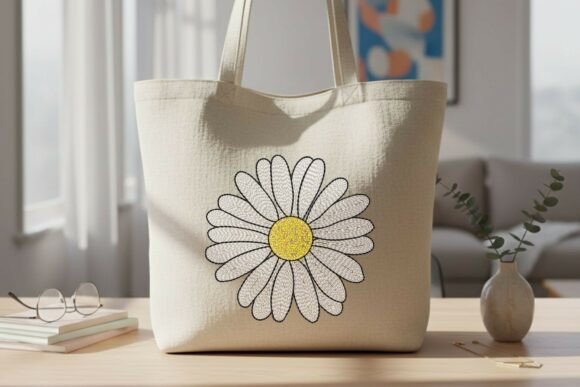
To truly test the viability of the Multicolor Flower Embroidery Design, let's imagine a specific scenario. You run a small boutique and have been asked to create a limited run of custom embroidered tote bags for a local flower market event. The client wants something "lively and eye-catching" that stands out on a crowded table. You decide to use this design on a heavy-duty natural cotton canvas bag.
In this context, the design shines. The bold outlines of the flower ensure visibility even from a distance, while the multicolor aspect catches the light as customers walk by. When stitched onto the textured surface of the canvas, the stitch density appears sufficient to cover the weave without puckering, assuming you use a cutaway stabilizer. The result is a finished product that feels professional yet handmade. Customers perceive higher value when they see intricate color transitions rather than a single flat block of color. This design elevates a simple commodity into a desirable personalized gift or a branded souvenir.
However, if I were to pivot this project to a lightweight silk blouse, the outcome might differ. The weight of the thread required to achieve that vibrant look could overwhelm thin fabric. This highlights a crucial point for any apparel decorator: the design is versatile, but its success depends entirely on matching the right fabric texture to the pattern's weight.
Performance Across Different Products
Beyond tote bags, where else does the Multicolor Flower Embroidery Design perform well? Here is my breakdown based on practical application:
- Custom Apparel: On sweatshirts and hoodies, this design works beautifully. The thickness of the fleece absorbs the thread tension well, and the bright colors pop against darker backgrounds. It is an excellent choice for sweatshirt embroidery aimed at younger demographics or casual wear lines.
- Baby Items: For baby embroidery projects like bibs or onesies, the soft curves of the flower are perfect. Just ensure the thread colors are non-toxic and the backside of the stitching is clean enough not to irritate sensitive skin.
- Home Decor: Pillow covers and tea towels benefit from the cheerful aesthetic. A holiday embroidery project using this design could serve as a festive table runner accent or a seasonal throw pillow.
- Embroidered Patches: If you are creating patches for hats or jackets, this design can be trimmed around the edges. The dense stitching helps the patch maintain its shape after being ironed onto garments.
Where Caution Is Required
While the Multicolor Flower Embroidery Design is versatile, there are scenarios where it requires extra attention. As a professional, I advise against using this specific design on highly stretchy fabrics like spandex blends without significant testing. The tension from the multiple color changes can cause the fabric to warp over time.
Additionally, consider the hoop size. If the design is large, attempting to fit it into a small 4x4 hoop will force you to split the design, potentially ruining the flow of the petals. Always check the dimensions before starting. Similarly, on dark fabrics, the lighter thread colors in the multicolor mix might require a backing stabilizer that prevents show-through. If you plan to use this for commercial embroidery, consistency is key; a slight shift in registration between colors can make the flower look blurry rather than vibrant.
Another area of caution involves curved surfaces like caps. The transition of thread colors on a dome cap can sometimes lead to skipped stitches if the machine foot pressure isn't adjusted. Always do a test run on a scrap piece of similar material. If you are selling these as digital product assets, you must ensure the file instructions clearly state the recommended hoop size and stabilizer type to manage customer expectations.
Practical Designer Notes for Success
To get the best results from the Multicolor Flower Embroidery Design, follow these practical steps before committing to your final product:
- Test on Scrap Fabric: Never skip this step. Stitch the design on a piece of the exact fabric you intend to use. Check for puckering, thread breaks, and color blending.
- Review Thread Colors: While the design comes with suggested colors, adjust them to match your brand palette. High contrast usually yields the clearest image.
- Check Stitch Density: Zoom in on the center of the flower. If the fill stitch is too tight, it may cause the fabric to stiffen. Too loose, and the backing will show through.
- Use Proper Stabilizer: For custom apparel, a tear-away stabilizer often suffices, but for heavier items like denim or canvas, a cutaway is safer to prevent distortion.
- Verify Licensing: Before selling finished items or the digital embroidery file itself, confirm the licensing terms. Ensure you have the right to use this design for commercial gain.
- Create Mockups: Use printable mockup tools to visualize how the design looks on different products. This helps in marketing your small shop product effectively.
Final Verdict: Value and Professionalism
The Multicolor Flower Embroidery Design is a strong asset for any creative entrepreneur looking to add a touch of whimsy to their catalog. Its ability to transform a plain garment into a conversation starter makes it a valuable addition to your library of design assets. Whether you are crafting a unique personalized gift for a friend or scaling up production for your Etsy listings, this design delivers a consistent, high-quality look when executed correctly.
Ultimately, the success of this embroidery project lies in the details. By paying attention to fabric choice, stabilizer application, and color selection, you can ensure that the final finished product meets professional standards. It is a design that rewards patience and preparation, offering a vibrant return on investment for those willing to put in the effort to stitch it right. For anyone seeking to elevate their handmade product line with a lively floral element, this is a worthy contender.