Burger Junk Food Embroidery Design Review
As an experienced embroidery designer preparing for the upcoming weekend craft fair, I am constantly evaluating which machine embroidery design assets will translate into high-converting booth items. Today, I am putting the Burger Junk Food Embroidery Design under the microscope. This isn't just about whether the file opens correctly; it is about whether this specific motif will stop a customer in their tracks, make them smile, and ultimately drive a sale at my handmade market table. When you are selling craft fair product lines, every inch of fabric counts, and every stitch must justify its existence.
First Impressions: The Appeal of Playful Food Art
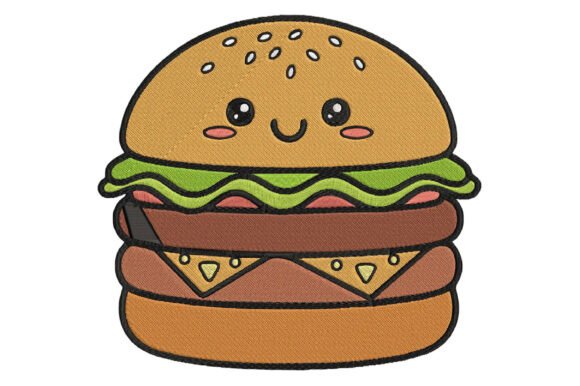
The moment I opened the preview for the Burger Junk Food Embroidery Design, the mood was immediately clear. It feels undeniably fun, playful, and modern. In a sea of rustic farmhouse signs and elegant floral arrangements that often dominate local markets, a smiling cartoon-style burger offers a refreshing burst of personality. This design leans heavily into the "cute" aesthetic, which is a proven winner for impulse buys. It does not scream "high-end luxury," but rather "whimsical everyday joy." For the savvy Etsy seller or boutique maker, this distinction is vital. You are not selling a formal dinner guest towel; you are selling a conversation starter.
The visual weight of the design suggests it works best as a focal point rather than a subtle background pattern. The bold outlines typical of cartoon styles usually hold up well against the texture of various fabrics, provided the stitch density is managed correctly. This digital embroidery file has the potential to become a signature piece for a line of kitchen accessories or casual wear, appealing directly to parents, foodies, and anyone who appreciates a touch of humor in their home decor.
Product Application: Where Does It Shine?
When planning my booth display, I need to know exactly where this Embroidery design fits best. Based on the description of a charming, smiling burger, I have identified several key applications that maximize its selling potential.
Tote Bags and Market Goods
A tote bag design featuring this burger is a natural fit. Canvas tote bags are durable, affordable to produce, and perfect for carrying groceries or festival gear. Placing the burger near the bottom corner creates a balanced look, while centering it makes a bold statement. The sturdy nature of canvas handles the bulk of the stitches well, making it an ideal candidate for batch production. Customers love grabbing a cute bag for their next shopping trip, and this handmade product offers immediate utility.
Kitchen Textiles: Aprons and Tea Towels
Apron embroidery and tea towel embroidery are staples for any craft fair. The playful nature of the burger aligns perfectly with the kitchen environment. Imagine a white linen apron with a vibrant, smiling burger stitched onto the bib; it instantly adds character to a functional item. Similarly, tea towels allow for smaller hoop sizes, making this design versatile. However, one must be careful with textured towels. If the weave is too thick, tiny details like the burger's eyes or smile might get lost. A medium-weight cotton flannel or a smooth terry cloth would likely yield the cleanest finished product.
Patches and Caps
For those looking to expand beyond flat surfaces, turning this design into an embroidered patch is a smart move. Patches can be sewn onto denim jackets, backpacks, or even hats. The cartoon style holds up exceptionally well when reduced to patch size because the shapes are simple and distinct. Furthermore, applying this design to caps requires attention to the curved surface. The stabilizer choice here is critical to prevent puckering, ensuring the burger looks crisp even on the rounded brim of a baseball cap.
Small Gifts and Pouches
Small fabric pouches for cosmetics or jewelry are excellent low-cost add-ons at a booth. A small version of the Burger Junk Food Embroidery Design on a coin purse or a pencil case creates a delightful giftable item. These "under $15" items are crucial for increasing the average order value at a craft fair. They serve as accessible entry points for customers who might not want to spend more on a large pillow cover or quilt.
Production Practicalities and Technical Considerations
While the concept is strong, the execution determines the profit margin. As a professional, I cannot simply load the file and hope for the best. There are several technical hurdles to address before mass-producing this commercial embroidery item.
Stitch Density and Fabric Texture
One of the primary concerns with cartoon designs is stitch density. If the areas filled with color are too dense, the fabric may pucker, especially on softer materials like jersey or thin cotton. Conversely, if the density is too low, the thread coverage will be spotty, showing the fabric underneath and reducing the perceived quality. I recommend running a test on scrap fabric first. Check the thread colors against your chosen material. A bright yellow bun needs to pop against a dark navy bag, but it might disappear on a mustard-yellow towel. Always compare fabric colors before committing to a full run.
Hoop Size and Detail Clarity
The description mentions a smiling face, which implies small details like eyes and a mouth. These features require sufficient space to remain legible. If you attempt to shrink this design too much for a small accent, the facial expression may become muddy. I advise checking the minimum recommended hoop size in the file documentation. Do not force a 4x4 design into a 2x2 hoop unless you are certain the details will survive the reduction. For small shop product lines, consistency is key; if one patch looks blurry, it reflects poorly on the entire brand.
Stabilizers and Backing
To ensure the longevity of the finished product, using the right stabilizer is non-negotiable. For items like caps or thick tote bags, a cut-away stabilizer provides the necessary support to prevent the stitches from pulling out over time. For lighter items like tea towels, a tear-away or wash-away option might suffice, but testing is essential. Never skip this step, as a wobbly, shifting design looks unprofessional and cheapens the value of your handmade goods.
Sales Strategy and Visual Impact
In the competitive landscape of handmade markets, visual appeal drives engagement. The Burger Junk Food Embroidery Design has a distinct advantage: it is approachable and universally understood. Unlike abstract art, a burger is something everyone knows and loves. This familiarity lowers the barrier to purchase. When arranging my booth, I will place these items at eye level, perhaps grouped with other food-themed design assets to create a cohesive "Kitchen Fun" section.
Photography for online listings is equally important. The bright colors of the burger should photograph well, but lighting must be adjusted to show the texture of the thread without washing out the colors. Creating a printable mockup for your Etsy shop or social media can help visualize how the design looks on different products before you even stitch them. This builds anticipation and helps customers imagine the item in their own lives.
Final Designer Notes and Licensing
Before you start stitching, there is one final, critical step: confirm your commercial licensing. Ensure that the embroidery file you purchased grants you the right to sell finished products made with the design. Some licenses restrict the number of items you can sell or prohibit resale of the digital file itself. Always read the terms carefully to protect your business.
Finally, remember that the Burger Junk Food Embroidery Design is a tool in your creative toolkit. Test it, refine it, and present it with pride. By paying attention to thread contrast, fabric choice, and stitch quality, you transform a simple digital file into a premium handmade product that stands out at the craft fair. Whether it ends up on a cozy pillow cover, a stylish apron, or a fun cap, this design has the potential to bring a smile to your customers' faces and a boost to your sales.